

5 Costly Mistakes Drivers Make While Waiting for Roadside Assistance
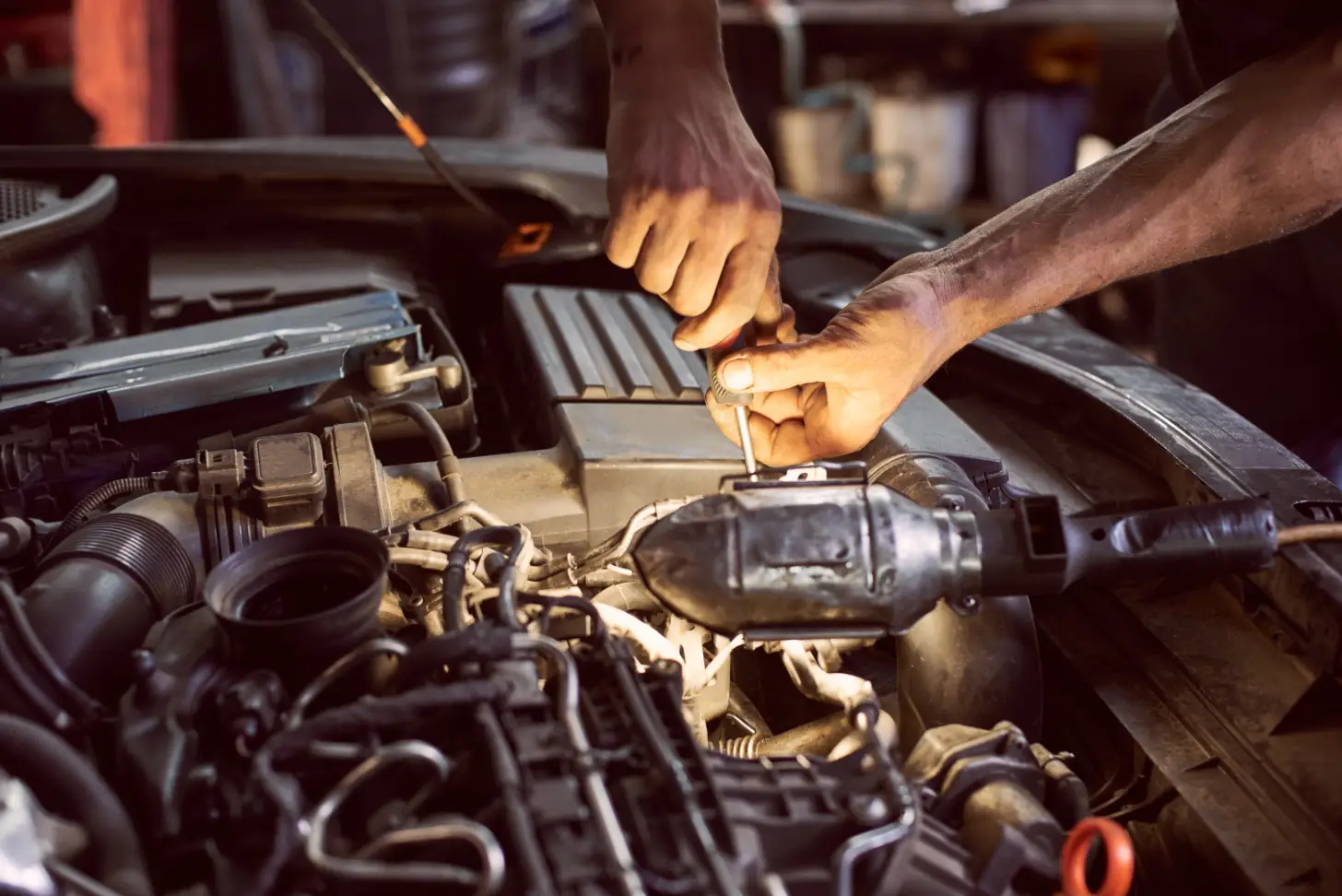
Breakdowns never happen at a “good” time. One minute you’re hauling through Lynchburg; the next you’re stuck on the shoulder with flashers on and steam creeping out from under the hood. When you’re waiting on professional roadside assistance, what you do next can either protect your truck or make a bad situation a whole lot worse.
Here are five costly mistakes drivers make while waiting for help and how you can avoid them.
1. Continuing to Drive “Just a Little Further”
You’ve probably thought it before: “I’ll just limp it to the next exit.” That decision can cost you an engine.
If you’re experiencing engine overheating, oil pressure loss, or a fuel system malfunction, pushing your truck even another mile can lead to catastrophic failure.
Your engine relies on pressurized oil to lubricate crankshaft bearings and internal components. Lose that pressure, and friction skyrockets. Keep driving, and you could seize the engine entirely.
The same goes for cooling issues. A failed water pump, malfunctioning fan clutch, or plugged radiator can cause temperatures to spike fast. Overheating wraps critical components, cracks heads, and blows gaskets.
What You Should Do Instead
- Pull over safely as soon as warning lights appear.
- Shut the engine down if you see high temp readings or low oil pressure.
- Call for emergency roadside repair immediately.
Waiting an hour for roadside assistance to arrive beats replacing a $30,000 engine. Every. Single. Time.
2. Ignoring Air Brake or Suspension Warnings
Your air brake system isn’t something you gamble with. If you notice low air pressure warnings, slow air build-up, or unusual brake response, don’t brush it off while waiting for help.
Some drivers keep releasing and reapplying the brakes, thinking they can “manage” it. That can deplete stored air in the tanks. Once air pressure drops too low, your spring brakes may automatically engage, and now you’re stuck right where you sit.
Air suspension problems can create similar headaches. Uneven ride height or a collapsed airbag can stress your driveline and tires.
Smart Move
- Keep the truck stationary once parked.
- Avoid unnecessary brake cycling.
- Set your parking brakes properly.
- Communicate symptoms clearly to your mobile diesel mechanic.
The more accurate your description, the faster the fix.
3. Opening the Hood Immediately After Overheating
When a diesel engine overheats, the coolant system is under extreme pressure. Coolant absorbs radiant heat from the engine block and disperses it through the radiator. When temperatures spike, that system becomes pressurized and is ready to blow.
Opening the cap or tampering too soon can result in serious burns.
The Right Way to Handle It
- Shut down the engine.
- Wait at least 30 minutes before inspecting anything.
- Never remove the radiator cap while hot.
- Let a professional handle coolant system diagnostics.
Cooling systems fail for many reasons: bad water pumps, stuck thermostats, and failed fan clutches. Guessing at it roadside usually makes things worse.
4. Failing to Secure the Scene Properly
Drivers sometimes focus so much on the truck that they forget about traffic. That’s dangerous. While waiting for roadside truck service, your number one priority is staying visible and protected.
Don’t Skip These Steps
- Activate hazard lights immediately.
- Set out reflective triangles at proper distances.
- Wear high-visibility clothing.
- Stay out of traffic lanes.
- Avoid standing between your truck and oncoming vehicles.
Breakdowns are stressful, but safety should always come first. Every time.
5. Attempting DIY Repairs Without Proper Tools or Diagnostics
Modern heavy-duty trucks rely on interconnected systems: ECM tuning, electronic sensors, fuel injection systems, after-treatment components like DPF filters, and more. Guessing at a repair without proper diagnostics can create bigger problems.
Take a failed fuel pump malfunction. If fuel isn’t reaching the injectors, the engine stalls. Cranking repeatedly won’t fix it; it can drain your batteries and overwork your starter motor.
Or your after-treatment systems. Faulty sensors triggering a regen issue? Forcing something without the right scan tools can damage your DPF or SCR components.
When to Step Back
- If the issue involves engine electronics.
- If warning lights persist.
- If the repair requires specialized tools.
- If you’re unsure of the root cause.
Professional heavy-duty roadside mechanics are equipped with diagnostic tools designed specifically for commercial trucks. That’s not something you can improvise.
Bonus Mistake: Not Providing Accurate Information
This one slows everything down.
When you call for diesel roadside assistance, details matter:
- Is it overheating or losing oil pressure?
- Are you hearing grinding, screeching, or metal-on-metal?
- Did the truck shut off suddenly?
- Are brake warnings active?
The more specific you are, the better prepared the mechanic will be upon arrival. That means fewer delays and faster turnaround.
Why Breakdowns Escalate So Quickly
Heavy-duty trucks operate under enormous loads. Your driveline components, cooling systems, braking systems, and suspension all work together under intense stress. When one part fails, it often strains the others.
For example:
- A failed cooling fan can overheat both the engine and the transmission.
- A collapsed wheel bearing can compromise your axle.
- Low oil pressure can destroy crankshaft bearings within minutes.
That’s why waiting smartly is just as important as driving smartly.
Practical Steps to Protect Your Truck While You Wait
Let’s keep it simple:
- Shut down immediately for overheating or oil pressure loss.
- Avoid repeated engine cranking.
- Don’t open pressurized systems.
- Secure the scene properly.
- Communicate symptoms clearly.
- Leave complex repairs to trained professionals.
Breakdowns are part of the industry. Catastrophic failures don’t have to be.
Final Thoughts on What to Do While Waiting for Roadside Assistance
When you’re stuck on the shoulder, your next move matters. Continuing to drive, tampering with hot systems, ignoring brake warnings, skipping safety steps, or attempting DIY repairs can turn a manageable issue into a financial nightmare.
Heavy-duty trucks are engineered systems built around precision; your diesel engine, cooling system, air brakes, fuel delivery, and electronics all depend on proper operation. Treat breakdowns with the respect they deserve.